The best Naturally carbonated water sources in the world They are distinguished by their unique geological activity, where groundwater encounters volcanic carbon dioxide before springing to the surface.
Source of Vernière, France
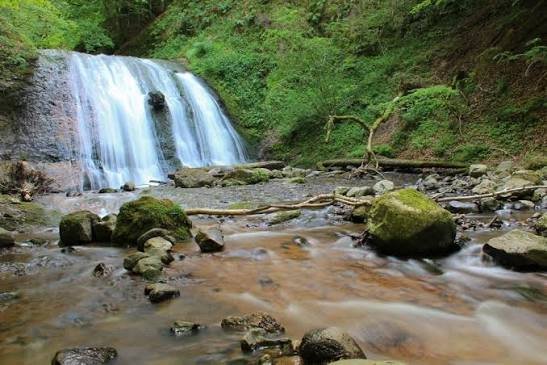
Sacred on several occasions best carbonated water in the world at the International Gourmet Waters Competition. It is appreciated for its fine bubbles and perfect mineral balance.
Source of the Bouillens (Perrier)
Probably the world's most famous carbonated water source. Water and carbon dioxide are captured separately in the same groundwater before being re-associated with bottling.
The world's leader in gaseous water is experiencing a historical crisis linked to its purification practices. Revealed early 2024 by a joint newspaper inquiry The World and the investigation cell Radio France, this scandal undermines the regulatory foundations and image of Perrier (ownership of the Nestlé Waters group).
North its site, the brand operates boreholes (such as historical capture Roman VI) which descend to about 150 to 170 metres deep and capture natural mineral water in the limestone aquifer of the Nîmes scrublands. It is this surface table that has been exposed to microbiological contamination during episodes of heavy rain.
South, The drilling is much deeper. This is where the major capture, including drilling, is located. F44bis that descends to 570–585 meters deep in the upper Jurassic limestone reservoir, to draw heavily pressurized thermal water and natural gas.
At the plant, the gas extracted from the south borehole is then reincorporated with water from the tablecloths to ensure the perfect balance and constant sparkling of the green bottle.
Le water treatment: the origin of the crisis
In Europe, regulations are extremely strict: water sold under the name "natural mineral water" must be of a Original purity. Protected by nature, it must not suffer no disinfection treatment (chemical or microbiological)
However, faced with Recurrent microbiological contamination (Coliform bacteria, Escherichia coli, enterococci) and traces of Pesticides Nestlé Waters secretly used prohibited treatment devices for years to mask this degradation of the resource in the Vergèze groundwater table:
Active carbon filters
Ultraviolet (UV) treatment systems
Deep microfiltrations that go beyond what is legal to preserve the natural flora of water.
Nestlé had to remove the UV and coal filters in front of the sanitary authorities. However, this has led to new waves of contamination, forcing the brand to destroy millions of suspicious bottles prior to marketing.
Threat to the term "natural mineral water"
Because water has been treated to be sanitized, several consumer associations and competitors believe that it has lost its original nature and is now like purified tap water. The heart of the problem is commercial: natural mineral water is sold 100 to 200 times more expensive classic drinking water.
In order to anticipate a possible loss of its label or operating authorisation, Nestlé has also launched new flavoured ranges (such as House Perrier), whose regulatory framework is much more flexible than that of historic mineral water.
Judicial and political aspects
The case quickly moved to the courts and political institutions:
Association offensive: The association UFC-Que Choisir has appealed to the courts for the withdrawal of the bottles and the immediate suspension of the label "natural mineral water".
Court decisions : In November 2025, the court in Nanterre rejected requests for a ban on UFC-Que Choisir. Justice found that there was no clear evidence of a health risk to the consumer, allowing Perrier to temporarily retain his name despite the anger of consumer advocates.
Parliamentary inquiry: A committee of inquiry of the Senate has highlighted shortcomings and suspicions of complacency by the State services. In May 2025, the Senate formally seized the court for "false testimony" against a leader of Nestlé Waters, suspected of concealing the seriousness of the incidents of exploitation at the Vergèze plant.
The brand continues to sell its famous green bottles, but it operates under drastic administrative supervision and faces a lasting crisis of confidence.
Nestle Waters should contact Aquatopia for a river broadband Naturally carbonated water quality exceptional passing by of their sites …
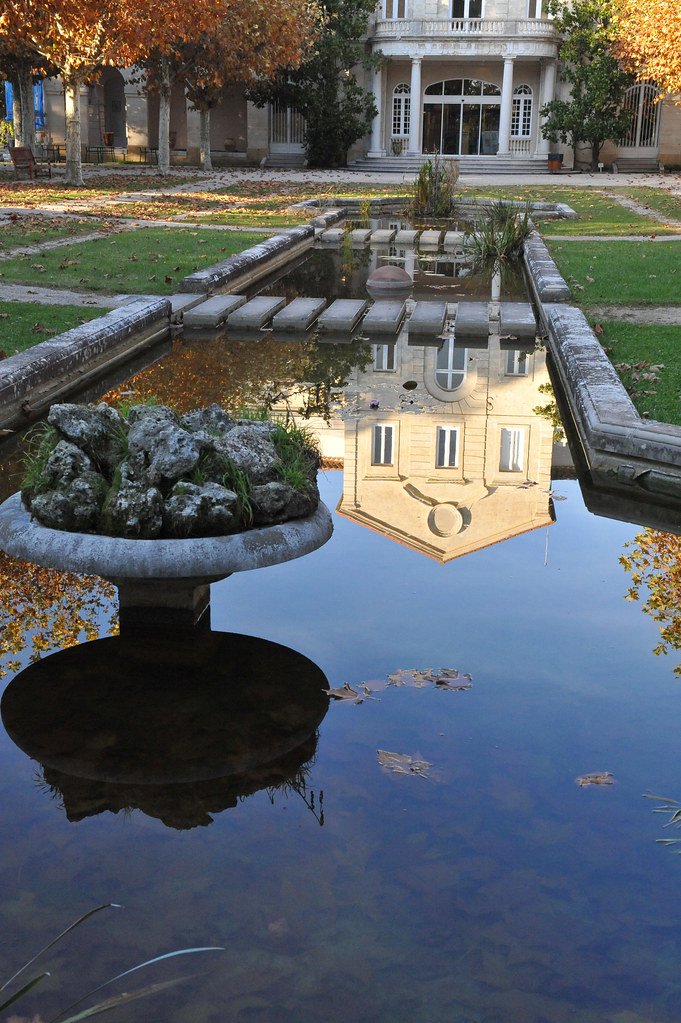
Source of Châteldon (Puy-de-Dôme, Auvergne)
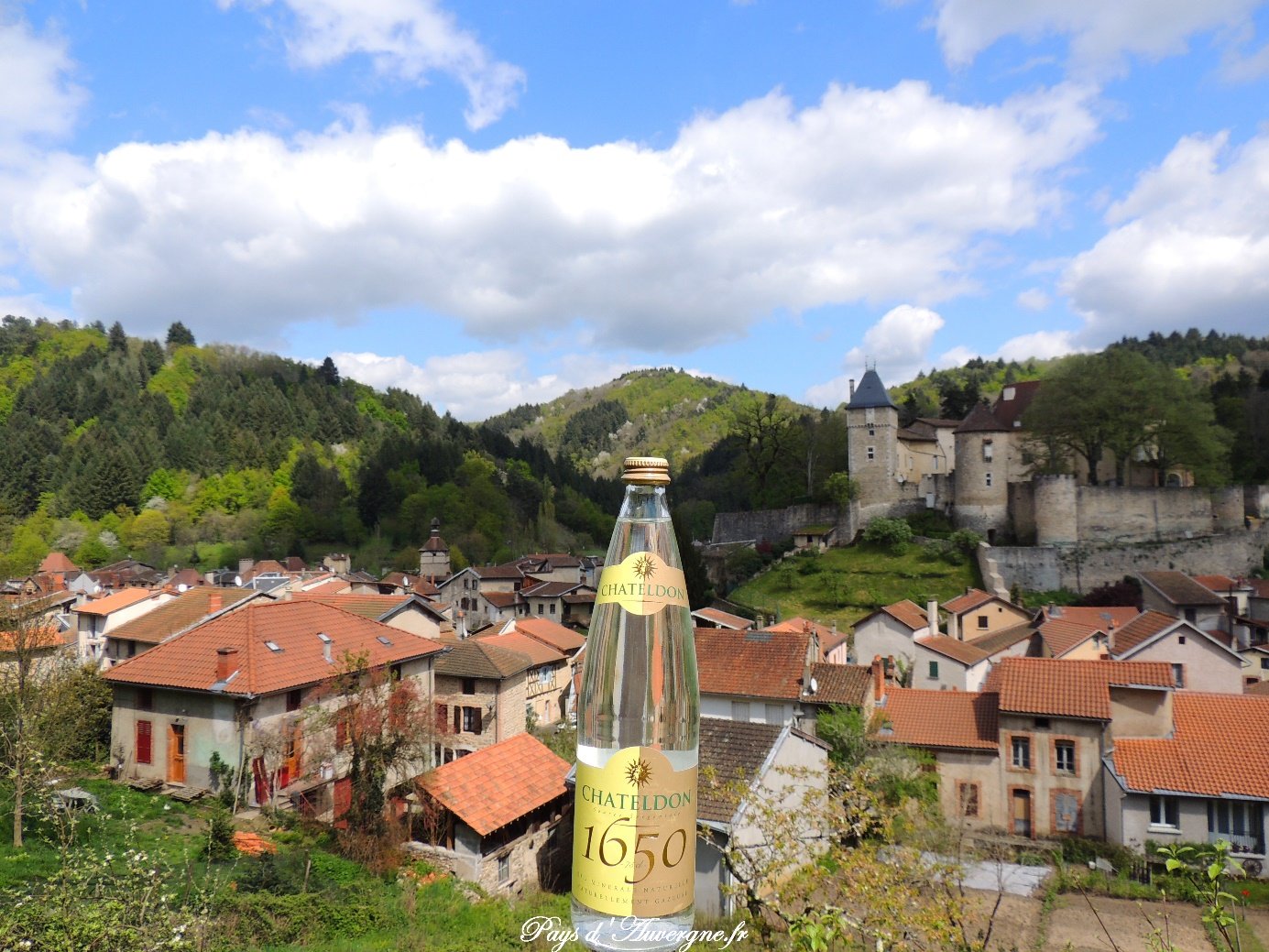
Nicknamed "the water of kings" because it was sent to the table of Louis XIV for its digestive virtues. It offers very fine bubbles and excellent minerality.
Source of Castagniccia (Corse, France) – Orezza : Captured in the heart of Castagniccia, this thermal water springs naturally gas. It is distinguished by a high iron and bicarbonate content (without any nitrate), which gives it a refreshing profile very much sought after on gourmet tables.
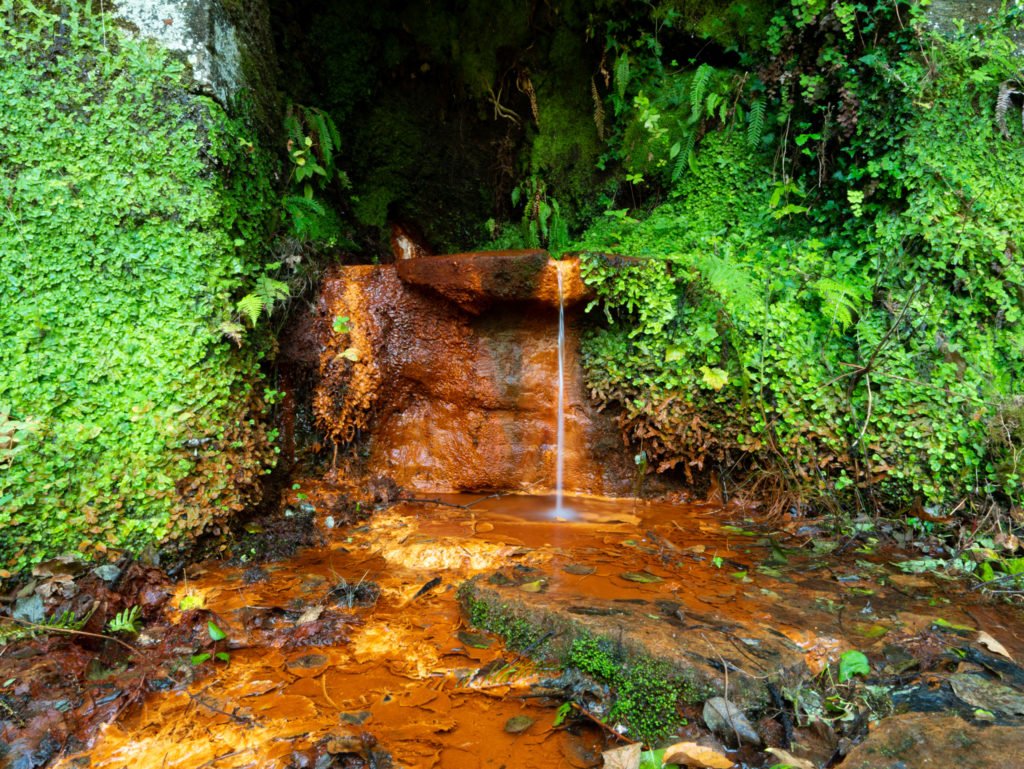
Source of Gerolstein (Eifel, Germany)
Captured in the heart of a volcanic region, it is one of the world's richest mineral waters (especially calcium and magnesium). It's a great classic popular with water sommeliers.
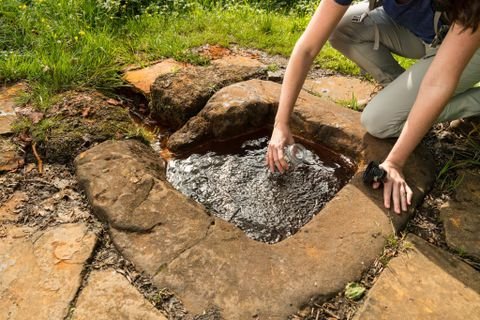
Source of Radenska (Radenci, Slovenia)
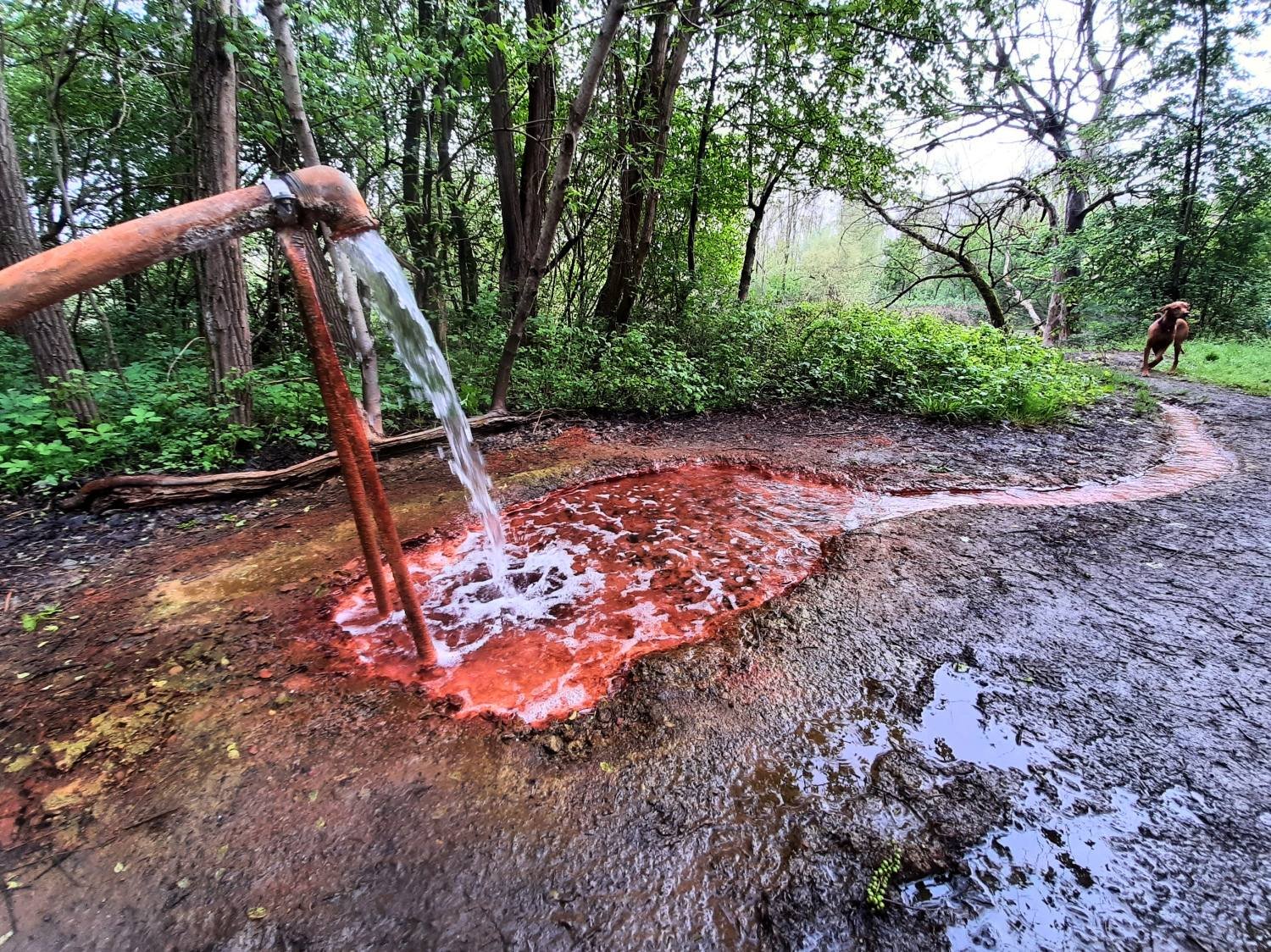
Recognized by many experts as one of the world's best gaseous waters. Its unique mouth texture comes from a strong natural effervescence associated with the underlying volcanic activity.
Source of San Pellegrino Terme (Alpes, Italy)
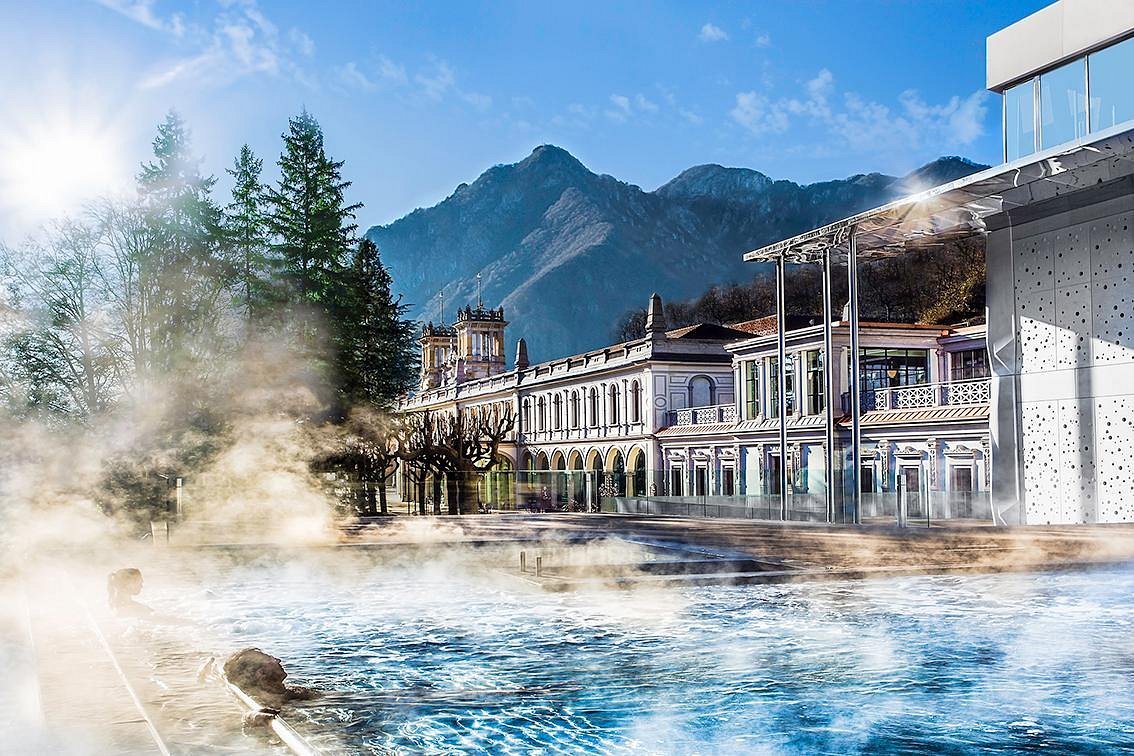
An iconic spring nestled at the foot of the Dolomites. Its long underground route gives it a high mineral content and very fine bubbles, ideal for accompanying meals.
Source of Borjomi Georgia)
A volcanic gas thermal water pushed to the surface by natural carbon dioxide. It is famous for its very salty taste, its very strong minerality and its digestive benefits.
(Photo in Bicarbonate waters)
Source of Sairme (Caucasus Mountains, Georgia)
A neighbour of the famous Borjomi spring, Sairme flows at an altitude of more than 2,000 metres. Its natural bubbles are charged with calcium, sodium and iron, providing a refreshing and intensely reinvigorating profile.
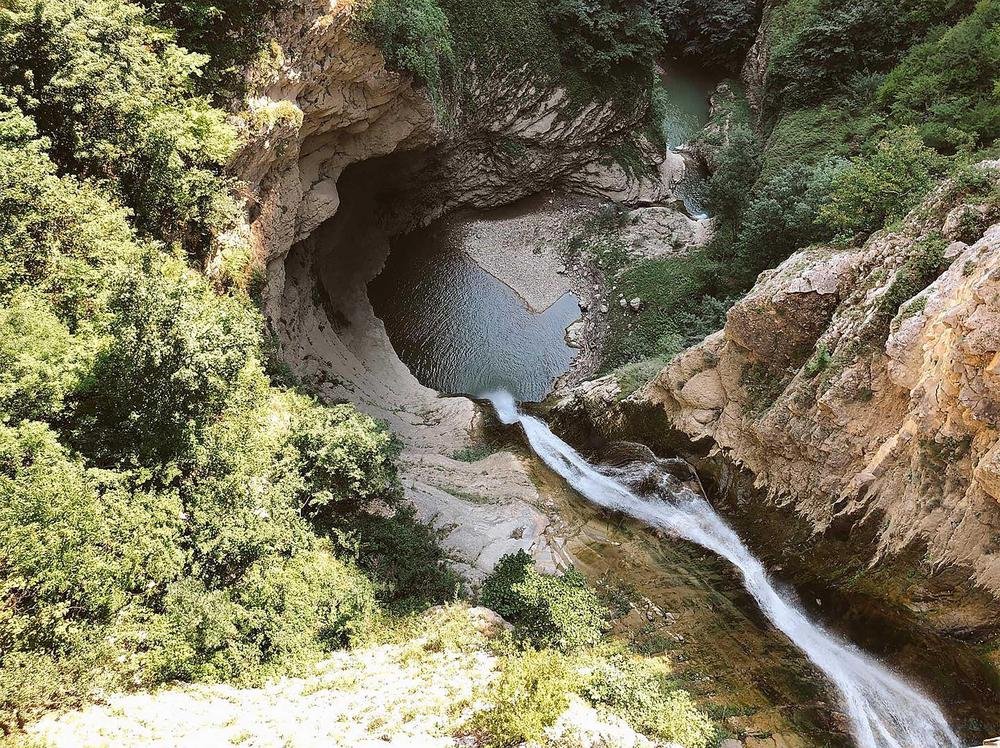
Source of Rogaska (Slovenia) – ROI
It's the world's richest water in magnesium (over 1000 mg/L. Due to this extreme minerality due to local volcanic rocks, its natural bubbles carry a metallic, salty and woody taste completely out of the norm. It is sold as a therapeutic luxury product.
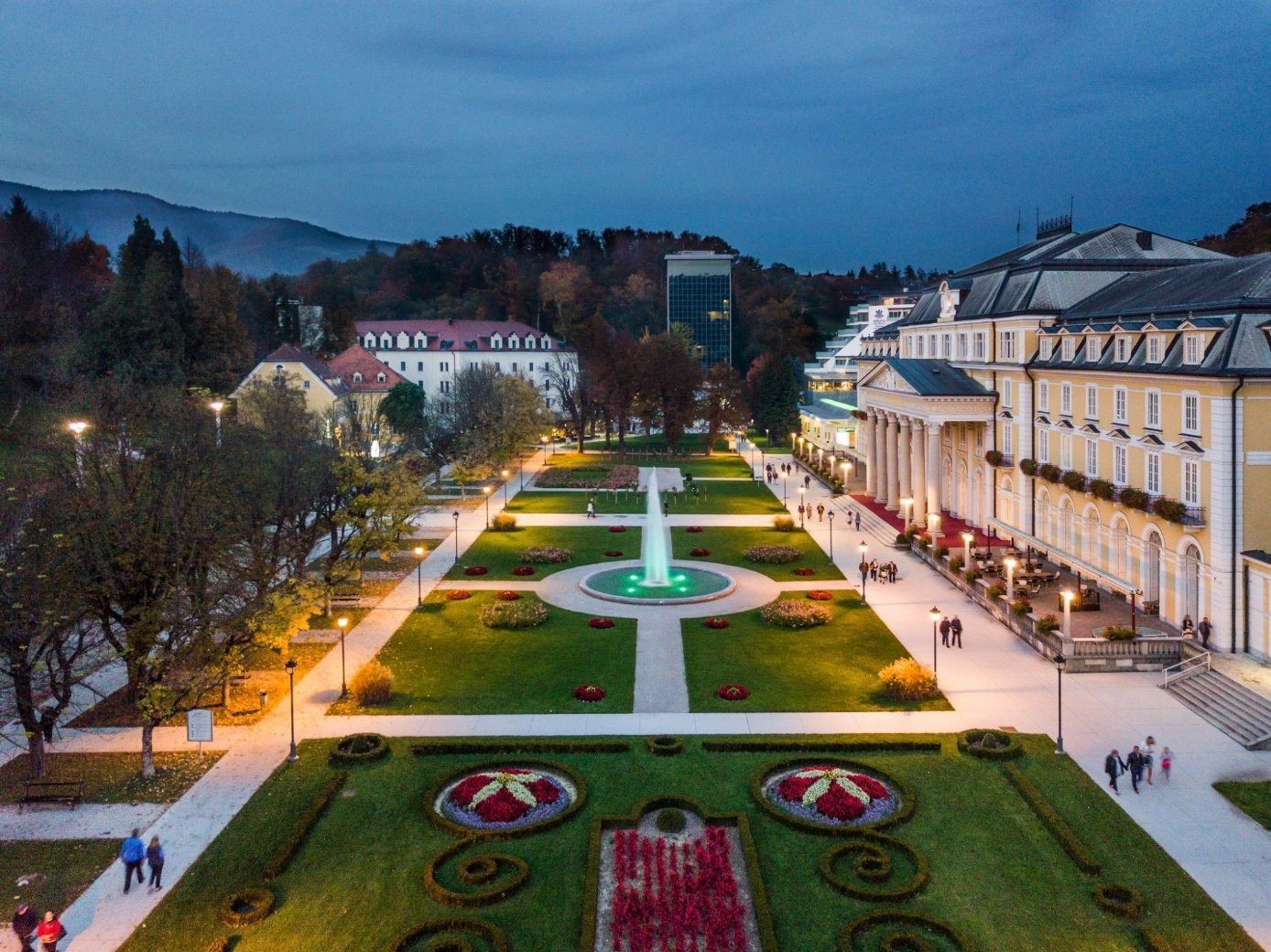
Source of Bajenaru (Carpathian Mountains, Romania) – Aqua Carpatica
An absolutely unique naturally sparkling water source, as it is completely free of nitrates. The water takes 40 years to filter through the volcanic sandstone before springing with soft bubbles, perfect for sensitive palates.
Source of Oshio (Fukushima, Japan)
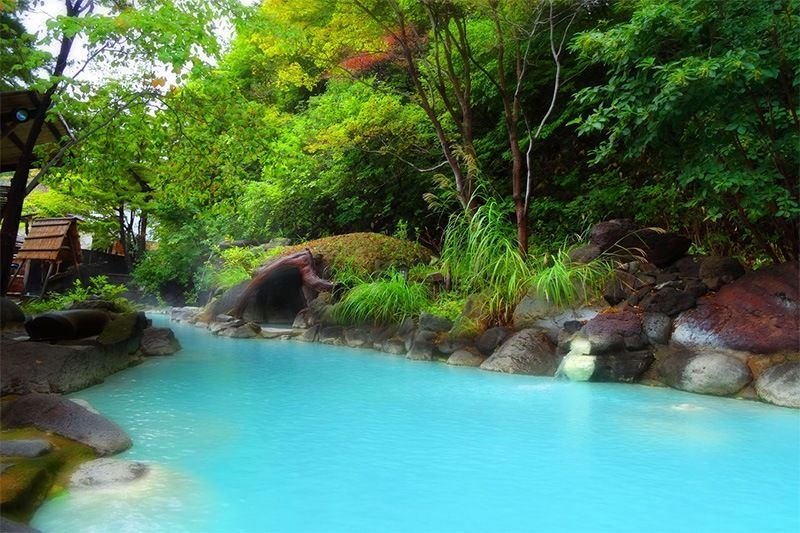
One of Japan's few Naturally carbonated water wells. Nestled in an isolated forest, the water springs naturally sparkling and icy. It has a silky texture characteristic of Japanese thermal springs filtered by volcanic micro-rocks.
Source of Vilajuiga (Catalonia, Spain) – Agua de Vilajuiga
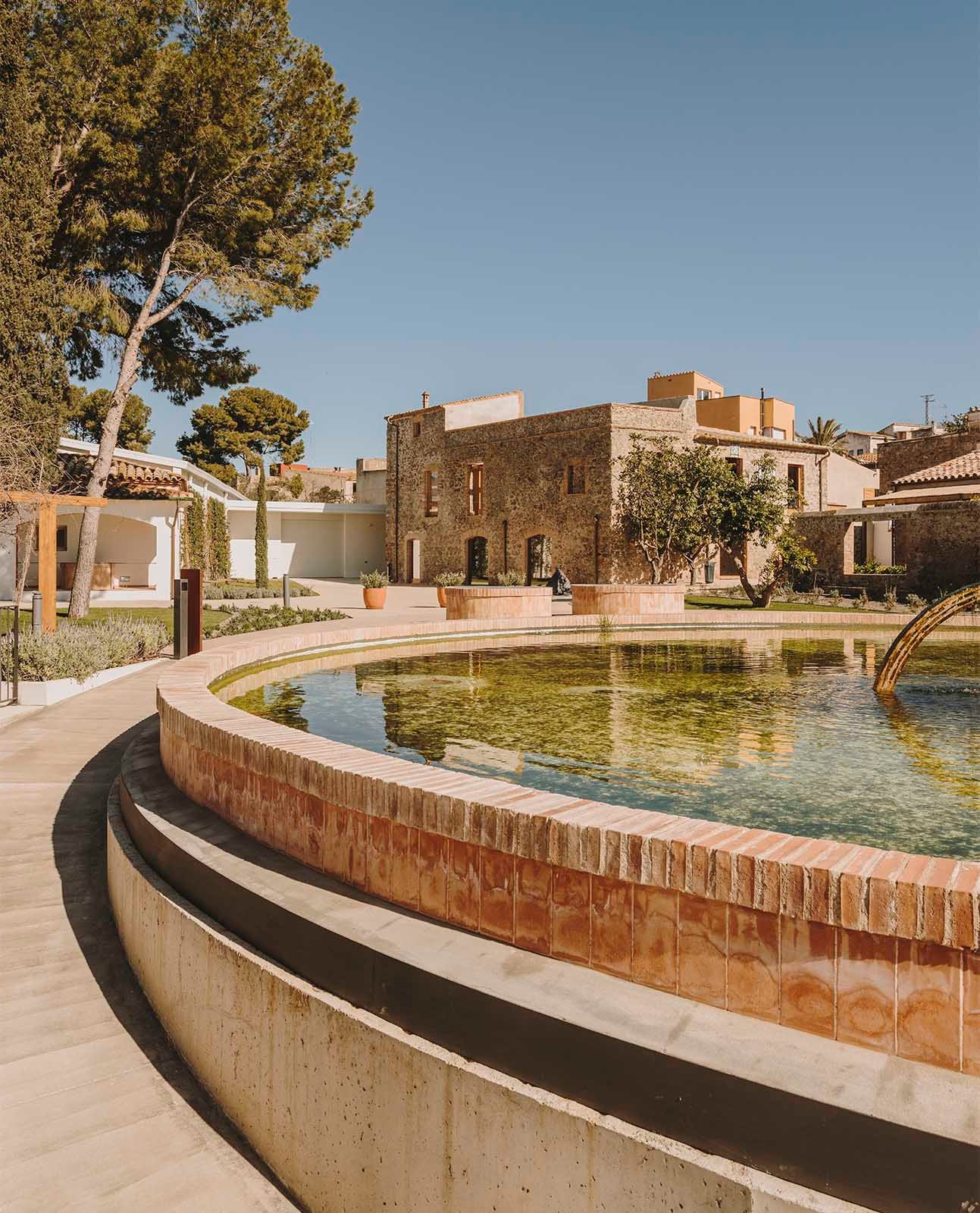
A historical source venerated by the painter Salvador Dalí. Its bubbles are so thin that they cause almost no feeling of swelling. It has a natural alkalinity ideal for cleaning the palate between two glasses of great wine.
Source of Ouachita (Arkansas, USA) – Mountain Valley Gazeuse
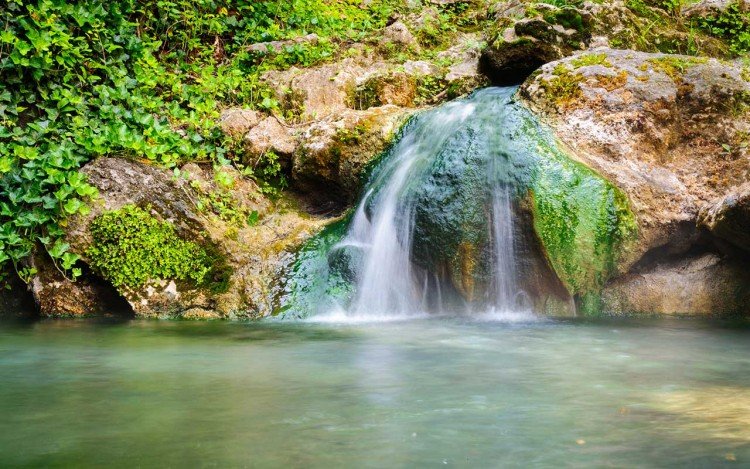
This water has been served by the U.S. Senate and the White House for more than a century in the heart of a protected valley. Although the gas version is adjusted to the bottling, its natural limestone source gives it a very soft assemblage of minerals, praised for its refreshing neutrality.
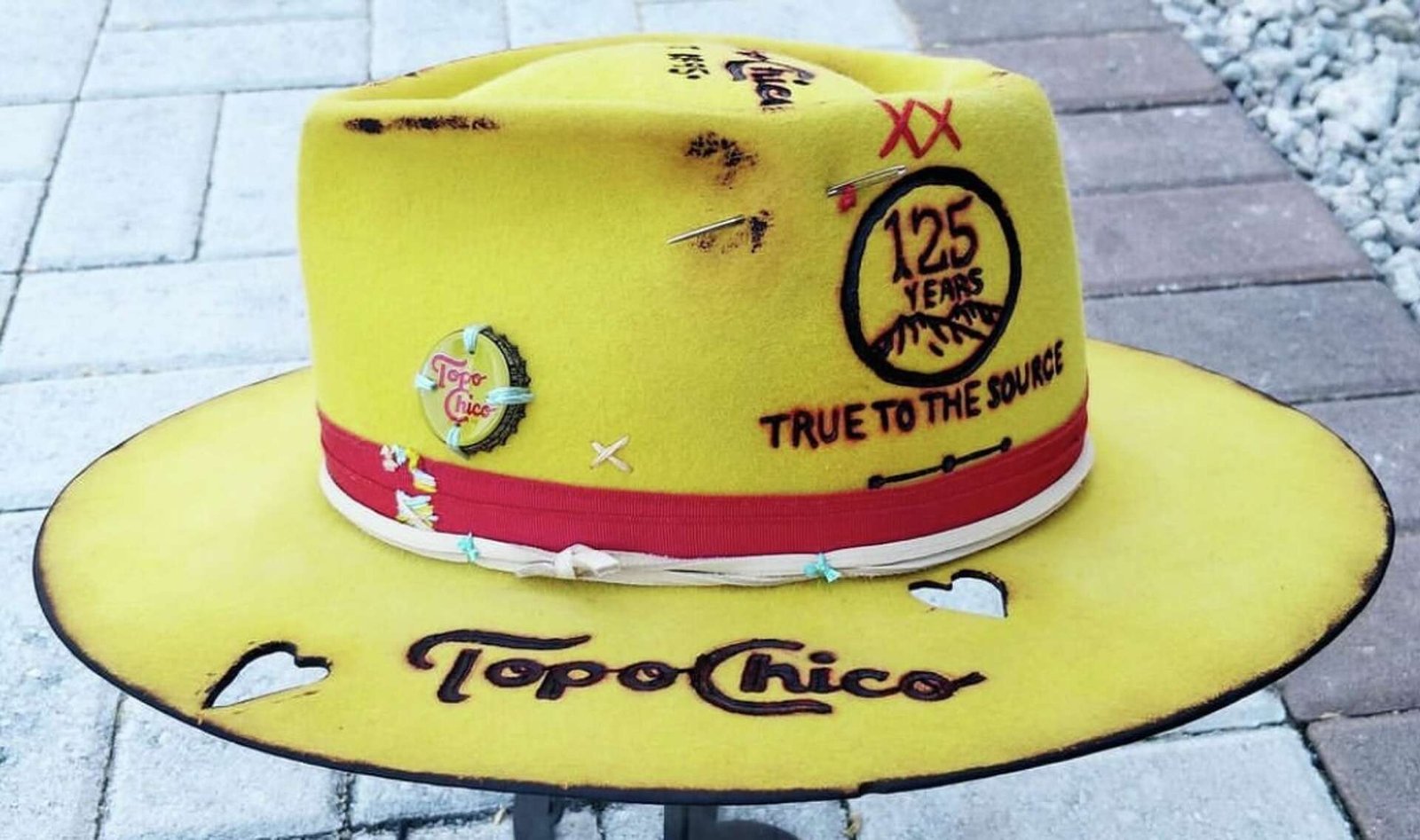
Source of Cerro del Topo Chico
Used since 1895, this source gives North American carbonated water cult. It is venerated by bartenders and amateurs for the vivacity and legendary power of its bubbles.
Aquatopia n
It's a goal...
Here are some possibilities:
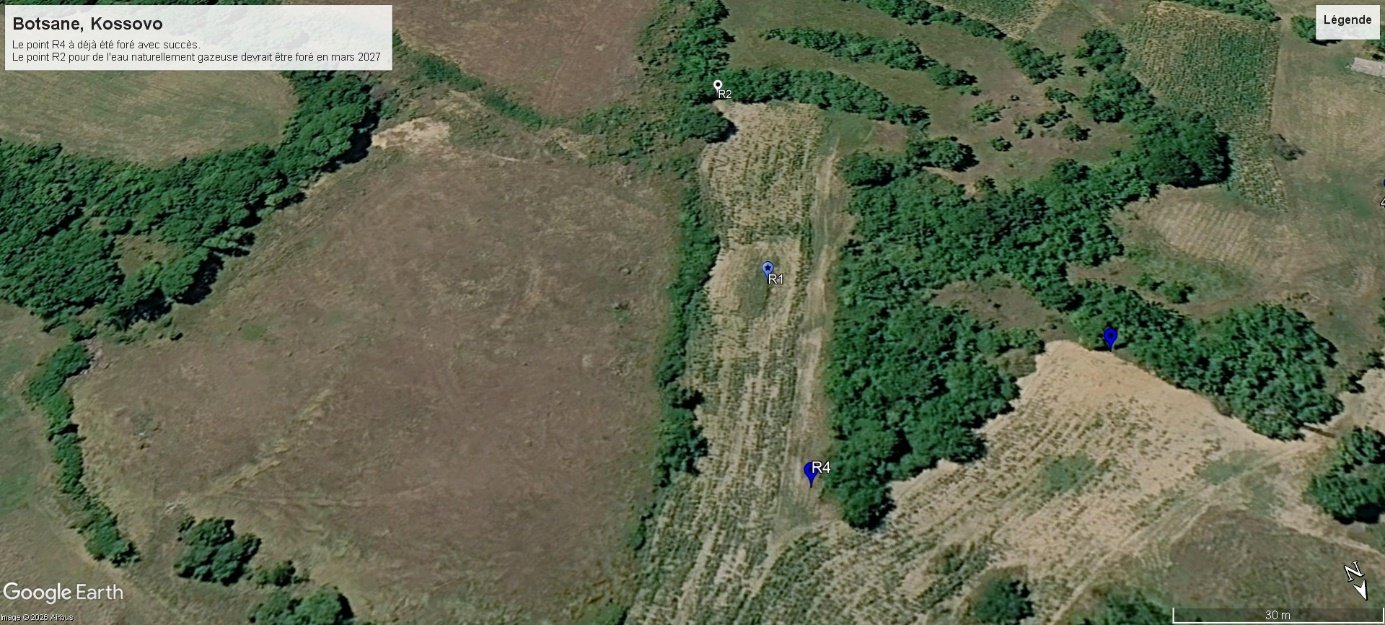
Kossovo
Small bottling plant project
White drop: drilling point planned for March 2027
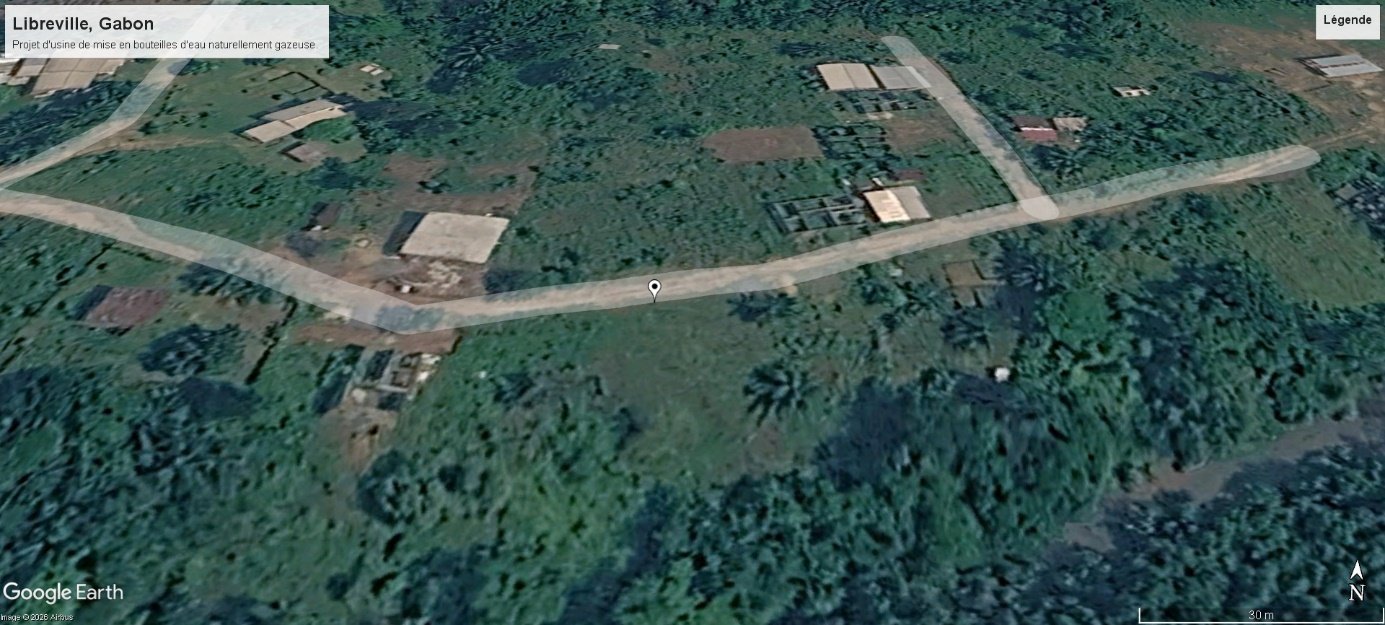
Libreville, Gabon
Bottling plant project
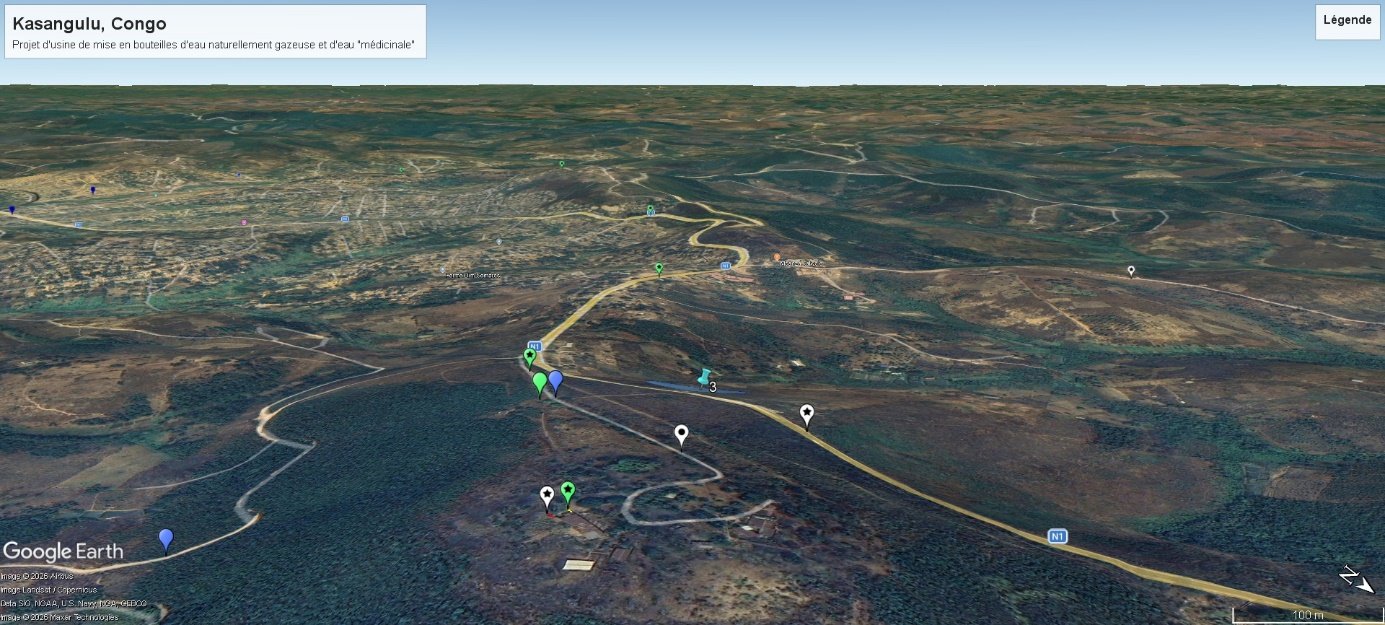
Kasangulu
Natural gas and medicinal water bottling plant project
Kuwait
Gaseous water source in the desert